Go Back
Issues to Look For When Buying an Older Home
Connecticut is full of beautiful older homes, but buying one requires extra due diligence. Here's what to watch for during your home inspection.

Jim Angell, CMI®
Apr 09, 2021
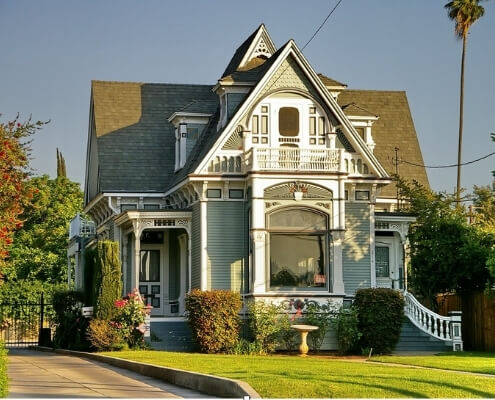
Older homes have character and can be charming. Established houses were built to last and many aspects of the construction cannot be reproduced today. The wood used may be from old-growth trees that are more resistant to rot and warping. The walls may be made with plaster offering a more solid option than drywall resulting in better insulation and noise reduction. Unfortunately, this charm and character can come at a price. Older homes may have a significant amount of issues that have compounded over the years.
From smaller settlement cracks to damaged support footings, foundation issues can range anywhere from normal wear and tear due to age, to profusely wet soil, seismic activity, or tree roots. You may need a structural engineer to come out to assess the damage and help create a repair strategy.
Common signs of foundation issues can be noticeable interior and exterior wall cracks, doors or windows that do not open or close correctly, or uneven floors.
Older homes may have interesting roof lines but this is not necessarily a good thing if water is able to pool. Here are some items to have checked:
If your home was built before 1978, there is a chance it can contain both lead paint and asbestos. Since they may be difficult to see, be sure to have them both checked.
According to HUD: "Lead is a highly toxic metal that may cause a range of health problems, especially in young children. When lead is absorbed into the body, it can cause damage to the brain and other vital organs, like the kidneys, nerves, and blood."
According to the EPA: "Exposure to asbestos increases your risk of developing lung disease. That risk is made worse by smoking. In general, the greater the exposure to asbestos, the greater the chance of developing harmful health effects."
Radon and carbon monoxide are odorless, colorless, and tasteless gases and impossible to detect without the proper equipment.
Radon is the second leading cause of lung cancer in the United States. Nationally, the EPA estimates that about 21,000 people die each year from radon-related lung cancer. Only smoking causes more lung cancer deaths. Because radon gas is both colorless and odorless, it is impossible to detect without testing.
Carbon monoxide can be caused by leaking gas from your stove, dryer, oven or HVAC system and can cause dizziness, headaches, shortness of breath, or even death.
Some of the items to look out for in an older home are:
Another thing to keep in mind is that if the home has knob and tube wiring, it could hinder your ability to get homeowner's insurance or a mortgage.
Besides being on your walls, lead can also be in the water due to old and decomposing pipes. And while you may love the look of the older trees on your property, roots tend to seek out water sources and may have infiltrated your house's underground plumbing system causing leaks and low water pressure.
The furnace or boiler, air conditioner, and water heater are all important to keep your house comfortable and running efficiently. Check for uneven heating in rooms, substantial noise from the furnace or water heater, excess humidity, or leakage around the water heater.
5-Star Google-rated, Angell's Home Inspection has extensive experience with older homes. Call us today at (860) 402-6644 or schedule your inspection here.

Angell Home Inspection Services is just a click or phone call away. Schedule your inspection now.