Go Back
Spring Home Inspection Checklist for Connecticut Homes
After a long Connecticut winter, your home has been through a lot. A spring inspection finds the damage before it gets expensive.

Jim Angell, CMI®
May 01, 2026
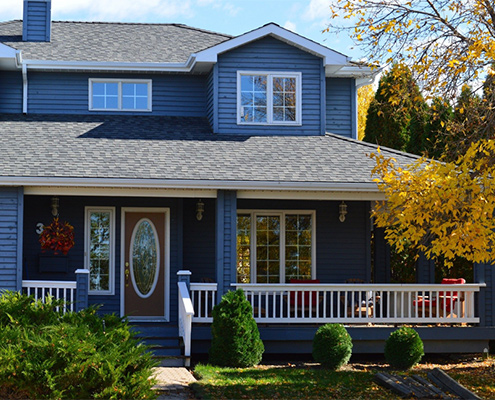
A spring home inspection in Connecticut should focus on six areas: the roof, gutters and drainage, foundation and basement, exterior siding and trim, HVAC system, and the attic. Snow load, ice dams, and freeze-thaw cycles cause most of the damage we find this time of year. Plan on 3 to 4 hours for a full inspection on an average single-family home, with same-day digital reports from Angell Home Inspection Services.
A spring home inspection in Connecticut tells you what your house went through over the winter. Snow load on the roof, ice dams along the eaves, frozen pipes in the basement, salt and sand chewing up the driveway. By April and May, the damage is usually visible if you know where to look. Most homeowners don't, so problems sit there until summer humidity makes them worse.
I've been inspecting homes across Suffield, Granby, Windsor, Farmington, and the rest of Hartford County for over a decade. Spring is when I see the highest volume of issues per house. A two-hour walkthrough with a thermal camera and moisture meter often catches things that would cost thousands to fix six months later.
Climb up if you can do it safely, or use binoculars from the ground. You're looking for:
Connecticut's freeze-thaw cycles are brutal on asphalt shingles. If your roof is over 18 years old, get it inspected this spring before insurance starts asking questions.
Clogged gutters cause more foundation problems in CT than almost anything else I see. After spring pollen and last fall's leaves, gutters need to be cleared out and tested:
This is where I find the most expensive surprises. Walk the perimeter of the foundation and look for:
If you live in Suffield, Stafford, Tolland, Ellington, Somers, or anywhere across north-central Connecticut, you also need to check for crumbling foundation symptoms. Pyrrhotite in concrete poured between roughly 1983 and 2016 is a known issue throughout this region. The damage is slow but unmistakable, and a Connecticut-Certified Crumbling Foundations inspection is the only way to confirm it.
Walk the full perimeter slowly. Look for:
Squirrels, raccoons, and bats love a damaged soffit. Spring is when they move in to nest, so this is the time to seal entry points.
Before air conditioning season hits, your HVAC needs a full check:
If your furnace is over 15 years old, plan for a replacement budget conversation now, not in January.
Up in the attic, you're hunting for moisture problems and pest damage. Bring a flashlight and look for:
A poorly ventilated attic in Connecticut leads to ice dams every winter. Fix it now and you'll save your roof for years.
Connecticut decks take a beating. Check ledger board attachment, joist hangers, post bases, and railing balusters. Wobbly railings and rotted ledger boards cause real injuries every summer. If you're listing your home this season, this is non-negotiable for safety.
A standard residential home inspection in CT runs roughly $400 to $600 depending on square footage, age, and add-on services. Add radon testing, water testing, or mold sampling and you'll spend a bit more. For most homes I inspect across Hartford County, the full package falls in the $500 to $800 range. That's a small investment compared to what a missed problem can cost six months later.
Mid-April through late May is ideal. The snow is gone, the ground has thawed, and any winter damage is visible. Schedule your inspection before you start outdoor projects so you know what you're working with.
Yes. A maintenance home inspection every 3 to 5 years catches small issues before they turn into major repairs. Most of my regular clients save thousands by catching things early.
For an average 2,000 to 2,500 square foot home in Connecticut, plan on 3 to 4 hours on site. You'll get a complete digital report with photos the same day.
Absolutely. I want clients walking through with me, especially at the end. You learn more about your home in those few hours than you would in a year of living in it.
Don't let winter damage turn into a summer crisis. Call Jim Angell at (860) 402-6644 or email angellhomeinspection@gmail.com to schedule your spring home inspection in Connecticut. Same-day digital reports, $25,000 InterNACHI Honor Guarantee, and a Connecticut-Certified Master Inspector on every job.

Angell Home Inspection Services is just a click or phone call away. Schedule your inspection now.