Go Back
Winterize Your CT Home: Pre-Winter Inspection Checklist
Connecticut winters are unforgiving on homes. A pre-winter inspection catches the issues that cause emergency calls in January.

Jim Angell, CMI®
Oct 01, 2026
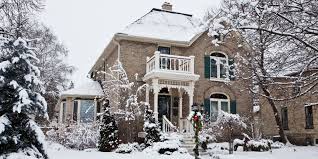
Winterizing your Connecticut home means inspecting and servicing the heating system, sealing air leaks, insulating exposed pipes, draining outdoor water lines, cleaning gutters, checking the chimney, and confirming attic ventilation. Schedule the pre-winter inspection in October before the first hard freeze. Catching seasonal issues early can save homeowners thousands in emergency repairs.
Winterizing your CT home isn't just turning down the thermostat and praying. It's a deliberate set of inspections and small projects that take maybe a weekend of work and prevent the kind of emergencies that cost serious money. Burst pipes. Failed furnaces on the coldest night of the year. Ice dams flooding the upstairs ceilings. I see all of these every January and February, and almost every one was preventable.
Connecticut's climate is rough on houses. Sub-freezing nights, occasional ice storms, deep snowpack on roofs, and humidity swings that move materials around. A pre-winter home inspection catches the weak spots before the weather exploits them.
This is non-negotiable. Schedule annual furnace or boiler service every fall. The technician will:
If your system is over 15 years old, plan for replacement. A failure on a 10-degree night isn't a maintenance issue, it's an emergency.
Test every smoke detector and carbon monoxide detector. Replace batteries. Replace any unit over 10 years old. CT requires CO detectors near sleeping areas.
Every exposed pipe in an unheated space gets insulated. Crawlspaces, basements, attic plumbing, exterior wall runs, and garage plumbing all qualify. Foam pipe sleeves cost a few dollars each and prevent pipes from freezing.
Drain and shut off outdoor hose bibs. Disconnect garden hoses. If your bibs aren't frost-free, install bib covers.
Drain irrigation systems and outdoor showers completely. A licensed irrigation tech can blow the lines clear with compressed air.
If you have a vacation home or rental property in Connecticut, set the thermostat to no lower than 55 degrees and consider a smart freeze sensor that texts you if temperatures drop.
I covered this in detail in our roof inspection guide, but the short version:
A poorly ventilated attic causes ice dams. Period. Fixing ventilation now is much cheaper than fixing water damage in February.
Walk every exterior door and window. You're looking for:
A small draft on a 5-degree night isn't a small problem. It's a 24/7 fuel bill.
If you burn wood, get the chimney professionally swept and inspected every year. Creosote buildup is the leading cause of chimney fires in Connecticut. While the sweep is there, ask them to check:
For gas fireplaces, have the unit serviced annually and confirm the venting is clear.
Walk the basement with a flashlight and look for:
In crumbling foundation counties (Tolland, Hartford, Windham, New London), this is also the time to look for early signs of pyrrhotite damage.
Walk the property and check:
Connecticut storms knock out power regularly. Confirm:
If you've never gone through this checklist on your home, or if you're new to a CT property, hire a professional. Cost depends on your home's size, age and any add-ons, and a pre-winter inspection gives you a documented report of every issue, prioritized by urgency. For most homeowners, that's the cheapest insurance policy you'll buy all year.
Mid-October is ideal. Most years, the first hard freeze hits Connecticut by early to mid-November. Getting work done in October gives you a comfortable buffer.
DIY winterization (caulk, weatherstripping, pipe insulation, gutter cleaning) is inexpensive. Furnace service, a chimney sweep, and a professional pre-winter inspection add to the total, and the inspection cost depends on your home's size and age; contact Angell Home Inspection Services for a quote. All of it is small compared to a single burst pipe or a flooded basement.
It helps, but it's not a guarantee. Pipes in unheated spaces can still freeze in extreme cold. Combine pipe insulation with sealed air leaks and a slightly higher thermostat setting on the coldest nights for best protection.
Yes, if you burn wood. Even moderate use builds enough creosote in a year to create fire risk. Gas fireplaces need annual service but not necessarily a full sweep.
Yes. Smart thermostats catch unusual temperature drops and alert you. Combined with low-temperature alerts at the home, this is one of the best small investments you can make.
Don't gamble with a CT winter. Call Jim Angell at (860) 402-6644 or email angellhomeinspection@gmail.com to schedule your pre-winter home inspection. Same-day digital report, InterNACHI Honor Guarantee, and a Connecticut-Certified Master Inspector on every job. Serving Suffield, Hartford, Manchester, Glastonbury, Tolland, and all surrounding Connecticut towns.

Angell Home Inspection Services is just a click or phone call away. Schedule your inspection now.