Quick Answer
A septic system inspection in Connecticut typically costs $300 to $700 and includes locating the tank, pumping it, examining the baffles, checking the leach field, and confirming flow from the home. For homes in Suffield, Granby, Tolland, Stafford, and other rural CT towns, this is one of the most important inspections a buyer can schedule. A failed system can cost $15,000 to $40,000 to replace, so the inspection pays for itself many times over.
Why a Septic Inspection in Connecticut Is Different
A septic system inspection in Connecticut is one of those things buyers either skip entirely or take way too lightly. That's a mistake. Plenty of homes across north-central CT, especially in Suffield, Granby, East Granby, Tolland, Somers, Stafford, and the more rural parts of Hartford County, run on septic instead of public sewer. If you don't know what you're looking at, you can inherit a five-figure repair bill on closing day.
A septic system has three main parts. The tank, where solids settle and bacteria break down waste. The distribution box, which spreads effluent across the leach field. And the leach field itself, where the liquid filters into the soil. Any one of these failing means the whole system is failing.
Septic inspections in CT aren't part of a standard home inspection. They're specialty inspections, usually done by a licensed septic contractor who pumps the tank as part of the visit, with a separate report from your home inspector covering the visible signs at the surface. I coordinate both pieces for clients across Hartford and Tolland Counties so nothing gets missed.
What a Full Septic Inspection Includes
A real septic inspection has to include all of this:
1. Locating the Tank
If the seller doesn't know where the tank is, it has to be located. This often means probing the yard or pulling town health department records. Some older homes in CT have tanks that haven't been serviced in 20+ years.
2. Pumping and Cleaning
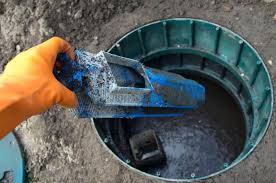
The tank is pumped to empty. This is the only way to actually see the inside walls, the baffles, and the level of the inlet and outlet pipes.
3. Inspecting Baffles and Tank Walls
Inlet and outlet baffles need to be intact. They keep solids from flowing into the leach field. Cracked or missing baffles are the number one cause of leach field failure in older CT systems.
4. Checking the Distribution Box
The D-box has to be level and flowing evenly. If one side is loaded and the other is dry, you'll have premature failure on the wet side.
5. Testing the Leach Field
A flow test runs water through the system to see if effluent backs up at the tank or surfaces over the leach field. Surfacing effluent is a serious failure and is also a public health issue under CT regulations.
6. Checking for Surface Signs
Lush green grass over the leach field, soggy spots, sewage odors, or slow drains in the home all point to problems. A trained inspector knows how to read these signs.
7. Reviewing Permits and Records
Connecticut local health departments keep records of septic permits, repairs, and pumpings. A good inspection includes pulling these records when possible.
Septic Inspection Cost in Connecticut
Expect to pay roughly $300 to $700 for a full septic inspection in CT, including the tank pump. Some contractors charge separately for pumping, which can add $300 to $500 depending on tank size and access. Bundling with your home inspection often saves money. For perspective, a full septic system replacement in Connecticut typically costs $15,000 to $40,000, with engineered systems for difficult sites running even higher.
Common Septic Problems I See in Hartford County
After years of inspecting homes across Hartford and Tolland Counties, here are the issues that come up most often:
- Tanks that haven't been pumped in 10+ years. A residential tank should be pumped every 2 to 3 years.
- Cracked or missing baffles. Especially in concrete tanks from the 1970s and earlier.
- Roots in the leach field. Trees planted too close to the system push roots into the pipes.
- Compacted leach fields from vehicles or sheds. Driving or building on a leach field destroys it.
- Failed D-boxes. Especially the older masonry boxes that crack and shift over time.
- Undersized systems for the home. Additions and finished basements often outpace what the original system was designed for.
What If the Septic Inspection Reveals Problems?
You have options. Walk away. Negotiate a price reduction. Ask the seller to replace the system before closing or escrow funds for the work. In a CT real estate market where rural properties are competitive, having documented septic data gives you real leverage. Without an inspection, you're just guessing.
Don't Forget the Well
If the home is on septic, it's almost certainly on a private well too. CT well water testing for arsenic, uranium, lead, bacteria, nitrates, and other contaminants is a must. Bundling well water testing with your septic inspection is the smart play for any rural Connecticut home purchase.
Related Reading
Frequently Asked Questions
How often should a septic system in Connecticut be inspected?
For a working system, every 3 years is standard. Before buying any CT home with septic, always inspect, regardless of when the last service happened.
Is a septic inspection the same as a home inspection?
No. A septic inspection is a specialty inspection performed by a licensed septic contractor with a separate report. A home inspection covers the structure, systems, and surface signs of septic issues but does not include pumping or internal tank inspection.
How long does a septic inspection take?
Typically 1 to 2 hours on site, including the pump and inspection. The full report usually takes another day or two.
Should I inspect the septic if the home was recently sold?
Yes. Conditions can change quickly. A heavy rain season, new occupants with higher water use, or undetected baffle damage can shift system condition within months.
What happens if the septic fails the inspection?
You negotiate. Most CT contracts allow buyers to request repairs or credits when major issues are documented. In some cases, the seller will replace the system before closing. Walking away is also on the table if the issue is severe.
Schedule a Septic and Home Inspection in Connecticut
Buying a home on septic in Suffield, Granby, Tolland, Stafford, or anywhere across the Greater Hartford region? Call Jim Angell at (860) 402-6644 or email angellhomeinspection@gmail.com to schedule a coordinated home, well, and septic inspection. Same-day digital reports, $25,000 InterNACHI Honor Guarantee, and a Connecticut-Certified Master Inspector on every job.